
In the effort to build Cincinnati into a sustainable economic hub I’m often thrown into thought of economic theories that would greatly change the environment. An environmental shift is necessary as it’s crucial to implement initiatives that would allow citizens to exceed beyond comfortability.
Field research over the last seven years has shown that Cincinnati is stuck between a quandary of classism, and racism lead by Peter Principles. Therefore, there needs to be a mechanism for per capita growth to continue indefinity with a keen focus on DEI: development, education, and infrastructure. The holy trinity of organic economic growth!
Considering all of Cincinnati’s viable features, current characteristics and future potential I found myself engulfed into the concept of endogenous growth theory to improve the landscape. Terraforming Cincinnati from a city of peevish asperity to one of cloying copiousness worthy of being called The Queen City.
So, what is endogenous growth theory? And how can endogenous growth theory be used to transform Cincinnati’s landscape?
In today’s rapidly evolving economic landscape, understanding the forces that drive sustainable development is crucial. Endogenous Growth Theory, a pivotal concept in economic studies, offers valuable insights into how economies can achieve long-term growth from within. Unlike traditional theories that focus on external factors, endogenous growth emphasizes internal mechanisms that promote economic expansion.
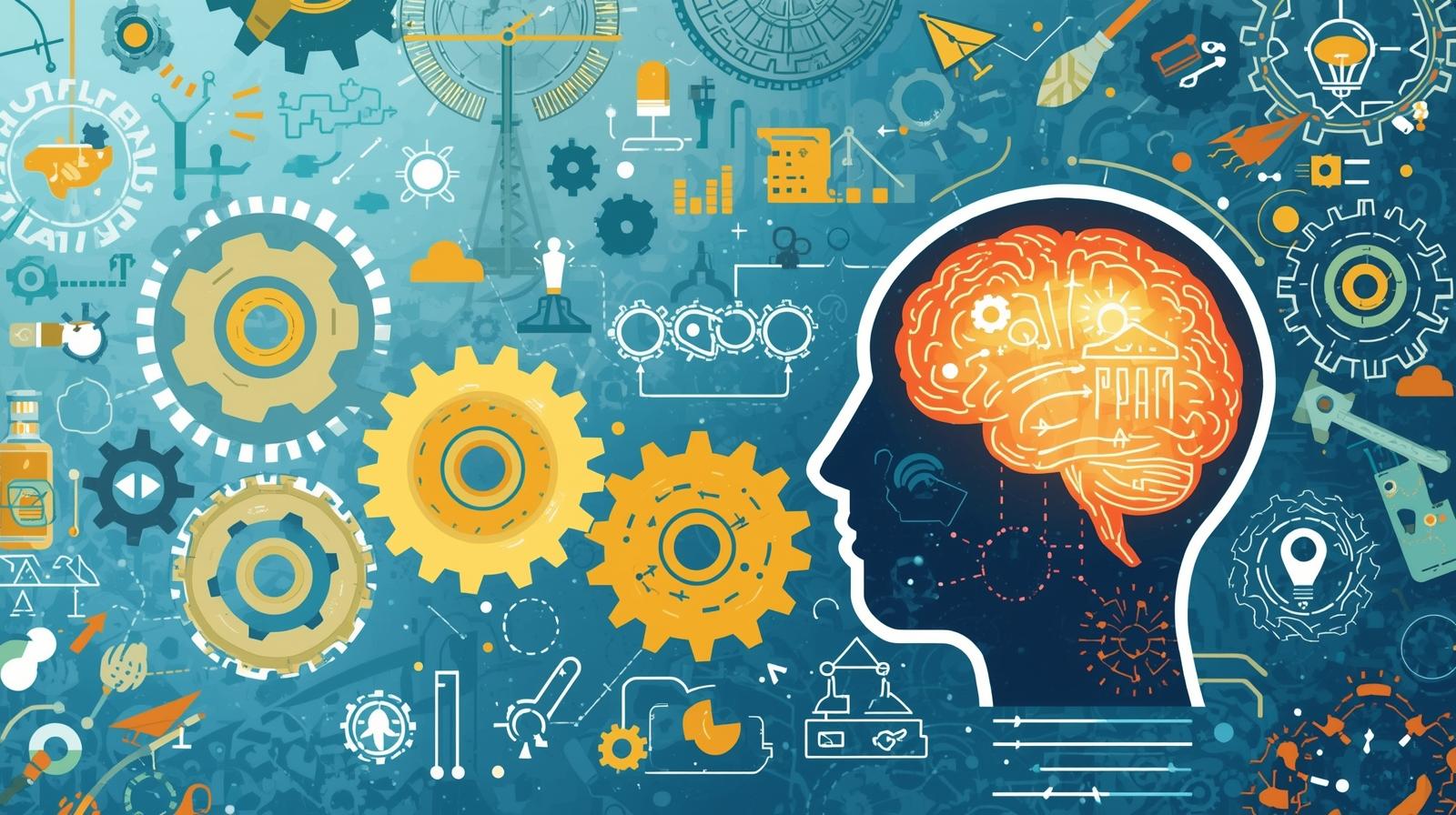
This theory posits that investment in human capital, innovation, and knowledge are key drivers of economic growth. By focusing on these internal factors, you can better understand how economies can sustain growth without relying heavily on external influences. This approach not only provides a robust framework for analyzing economic growth but also offers practical applications for policymakers and businesses aiming to foster development.
As you delve deeper into this article, you’ll discover the core concepts, historical context, and practical implications of Endogenous Growth Theory. By the end, you’ll be equipped with the knowledge to apply these principles to real-world economic challenges, helping you contribute to a more prosperous and sustainable future.
Key Concepts of Endogenous Growth Theory
The foundation of Endogenous Growth Theory lies in its focus on internal economic dynamics. At its core, the theory highlights three primary components: human capital, innovation, and knowledge spillovers. These elements are not only central to economic growth but also serve as catalysts for sustainable development.
- Human Capital: This refers to the skills, knowledge, and experience possessed by individuals. Endogenous growth theory emphasizes the importance of investing in education and training to enhance the productivity and efficiency of the workforce. By improving human capital, economies can boost innovation and competitiveness.
- Innovation: Innovation is the engine that drives progress. It involves developing new products, processes, and technologies that can transform industries and create new market opportunities. According to endogenous growth theory, continuous innovation is essential for sustaining long-term economic growth.
- Knowledge Spillovers: Knowledge spillovers occur when the benefits of innovation extend beyond the original creator. This can happen through collaborations, partnerships, and information sharing. The theory suggests that economies that foster environments conducive to knowledge exchange are more likely to experience sustained growth.
Understanding these concepts will enable you to appreciate how economies can generate growth from within, without relying solely on external factors such as resource exploitation or foreign investment. This internal focus offers a more sustainable and resilient pathway to development.
Historical Context and Development of the Theory
To fully grasp the significance of Endogenous Growth Theory, it’s essential to consider its historical development. The theory emerged in response to the limitations of traditional economic models, which often relied on external factors like capital accumulation and technological progress to explain growth.
In the late 20th century, economists like Paul Romer and Robert Lucas challenged these conventional models by introducing the idea that economic growth could be driven by internal factors. Their groundbreaking work laid the foundation for Endogenous Growth Theory, shifting the focus towards innovation, human capital, and knowledge as key drivers of economic expansion.
Over the years, the theory has evolved to incorporate various dimensions, including the role of institutions, government policies, and social factors in shaping growth trajectories. This evolution has enriched the theory, making it a comprehensive framework for understanding and fostering sustainable development.
The historical context of Endogenous Growth Theory underscores its relevance in today’s economic environment. As you explore its principles, you’ll gain valuable insights into how economies can harness internal resources and capabilities to achieve long-term growth and prosperity.
The Role of Technology in Endogenous Growth
Technology plays a pivotal role in Endogenous Growth Theory, serving as a catalyst for innovation and productivity. Technological advancements drive economic growth by creating new industries, improving efficiency, and enhancing the quality of goods and services. In this context, technology is not merely an external factor; it is an integral component of the growth process.
According to the theory, technological progress is often the result of intentional efforts within an economy, such as research and development (R&D) initiatives and investments in scientific research. By fostering an environment that encourages technological innovation, economies can achieve sustained growth and remain competitive in the global market.
Moreover, technology facilitates knowledge spillovers, enabling information and ideas to spread across industries and sectors. This interconnectedness fosters collaboration and accelerates innovation, further reinforcing the growth potential of an economy. By understanding the role of technology in endogenous growth, you can appreciate its significance in driving sustainable economic development.
Human Capital and Knowledge Spillovers
Human capital and knowledge spillovers are intertwined elements that contribute significantly to endogenous growth. As previously mentioned, human capital refers to the skills and expertise of the workforce. Investing in education and training enhances the capability of individuals to innovate and contribute to economic progress.
Knowledge spillovers, on the other hand, occur when information and ideas disseminate beyond their origin. This diffusion of knowledge can happen through various channels, such as employee mobility, partnerships, and open innovation platforms. By encouraging knowledge spillovers, economies can benefit from the collective wisdom of multiple industries and stakeholders.
To capitalize on these elements, it is essential to create policies and environments that support education, research, and collaboration. By doing so, you can unlock the potential of human capital and promote the free flow of knowledge, driving sustained economic growth and development.
Policy Implications for Sustainable Economic Development
The insights derived from Endogenous Growth Theory have profound policy implications for promoting sustainable economic development. By focusing on internal growth drivers, policymakers can design strategies that foster innovation, enhance human capital, and facilitate knowledge exchange.
- Investing in Education and Training: Governments can allocate resources to improve educational systems and vocational training programs. This investment enhances the skills and capabilities of the workforce, fostering innovation and productivity.
- Supporting Research and Development: Encouraging R&D activities through financial incentives, grants, and tax breaks can stimulate technological innovation. By supporting research initiatives, policymakers can drive progress and competitiveness.
- Facilitating Knowledge Exchange: Creating platforms for collaboration and information sharing can promote knowledge spillovers. Initiatives such as industry clusters, innovation hubs, and public-private partnerships can enhance the diffusion of ideas and foster economic growth.
By implementing these policy measures, you can create an environment conducive to sustainable development. These strategies not only drive economic growth but also contribute to social well-being and environmental sustainability.
Case Studies: Endogenous Growth in Action
Examining real-world examples of endogenous growth provides valuable insights into how the theory can be applied effectively. Several economies and industries have successfully harnessed internal growth drivers to achieve remarkable outcomes.
1. The Silicon Valley Model
Silicon Valley is an iconic example of endogenous growth in action. The region’s success can be attributed to its vibrant ecosystem of innovation, supported by top-tier universities, a skilled workforce, and a culture of entrepreneurship. The continuous flow of knowledge and collaboration among tech companies has driven sustained growth and technological advancement.
2. South Korea’s Economic Miracle
South Korea’s transformation from a developing nation to a global economic powerhouse is another testament to the power of endogenous growth. The government’s emphasis on education, R&D, and industrial policy has fostered innovation and competitiveness. The country’s focus on human capital and technology has been instrumental in driving its rapid economic growth.
3. Germany’s Mittelstand
Germany’s Mittelstand, a network of small and medium-sized enterprises (SMEs), exemplifies successful endogenous growth. These companies prioritize innovation, quality, and skilled labor, contributing to the country’s economic resilience and export prowess. The Mittelstand’s commitment to R&D and continuous improvement has fueled its sustained success.
These case studies illustrate the practical application of Endogenous Growth Theory and highlight the potential for economies to achieve sustainable development by focusing on internal growth drivers.
Future Directions for Research and Application
As the global economic landscape continues to evolve, there are numerous opportunities for further research and application of Endogenous Growth Theory. Exploring these areas can lead to new insights and innovations that enhance economic growth and development.
- Digital Transformation and Growth: Investigating the role of digital technologies, such as artificial intelligence and blockchain, in driving endogenous growth can reveal new pathways for innovation and productivity.
- Sustainable Development Goals (SDGs): Analyzing how endogenous growth principles can contribute to achieving the United Nations’ SDGs can provide valuable guidance for policymakers and organizations striving for sustainable development.
- Cross-Cultural Studies: Examining how different cultures and institutional frameworks influence endogenous growth can offer insights into the adaptability and applicability of the theory across diverse contexts.
By pursuing these research directions, you can contribute to the ongoing refinement and application of Endogenous Growth Theory, helping economies navigate future challenges and opportunities.
Conclusion: The Importance of Understanding Endogenous Growth Theory
In conclusion, Endogenous Growth Theory offers a powerful framework for understanding and fostering sustainable economic development. By focusing on internal growth drivers such as human capital, innovation, and knowledge spillovers, economies can achieve long-term prosperity and resilience.
As you explore the concepts and applications of this theory, consider the potential to drive positive change in your community. Whether you’re a policymaker, business leader, or researcher, embracing the principles of endogenous growth can empower you to contribute to a more sustainable and prosperous future.
By unlocking the secrets of endogenous growth, you gain the tools to navigate the complexities of the modern economic landscape. With this knowledge, you can play a pivotal role in shaping a world where economic growth is not only achievable but sustainable for generations to come.
Call to Action: Join the movement towards building a more sustainable Cincinnati by participating in community discussions, supporting local businesses, and prioritizing equitable principles. Together, we can create an equitable economy in Cincinnati!
For more information on Conimby contact: Dr. Robert Farris, Ed.D., at: info@conimby.org (1)513-586-6134