
The purpose of public education is to cultivate an informed citizenry. More importantly, the importance of secondary education is preparing students to become productive, positive contributing members of society. Creating an educated citizenry that is more likely to find stable employment, create stable families, be good neighbors and foster sustainable communities.
Research shows that individuals who graduate and have access to quality education throughout secondary school are less likely to commit crimes, and less likely to place high demand on public service systems like welfare assistance programs and public health care systems. They are also more likely to care for their neighbors and the community where they live.
The benefits of an educated citizenry are aggregated throughout the community creating broad social and economic benefits. Having an educated citizenry is more beneficial for the community than the consistent fight for funding to pay for the social and economic consequences of low performing schools.
This research comes from my own doctoral dissertation: An Examination of How Teacher Tenure and Job Satisfaction Affect Student Achievement. Which you can find here: https://www.proquest.com/dissertations-theses/examination-how-teacher-tenure-job-satisfaction/docview/2585294419/se-2?accountid=39387
I don’t believe a school system whether private, charter, or public can achieve its purpose without focusing on the classroom in pursuit of academic achievement. I completely understand the budgetary issues public schools are facing, especially those in states where the school voucher programs are disproportionately funding anything but public education.
It pains me to digest some of the proposed public school district budgets from school leaders who don’t emphasize the importance of teachers and improving teacher quality which directly affects student academic achievement. It presents defectus hominis, as a human deficiency and the inability to foresee the impact a lack of teachers will have on student achievement.
The foundation of student achievement is the classroom. Let’s dissect that in layman’s terms.
Understanding the Classroom Environment
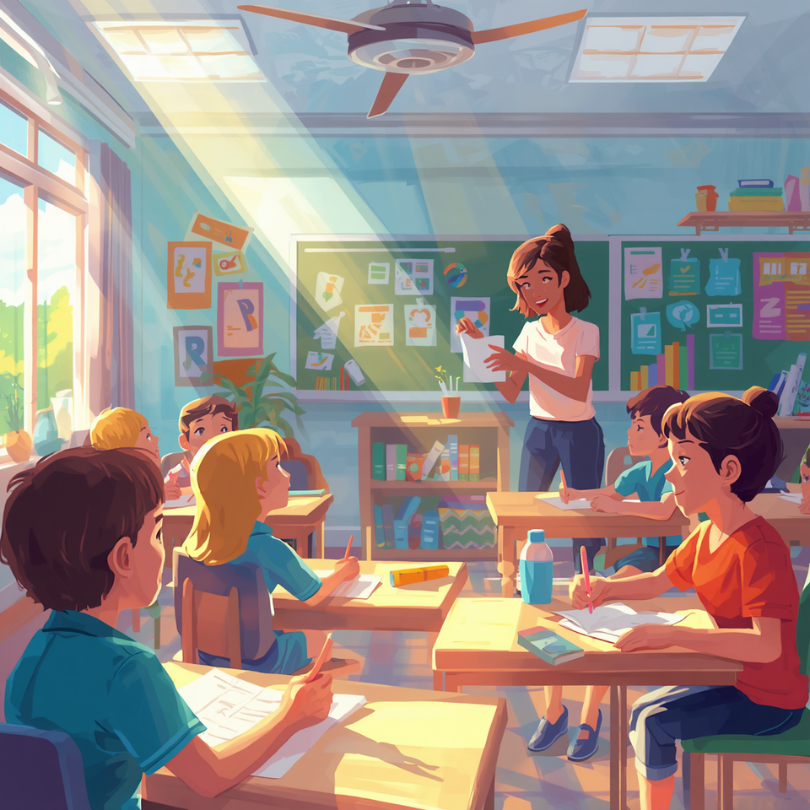
The foundation of student achievement is largely influenced by the classroom environment, which serves as the initial setting for structured learning. Classrooms are more than just physical spaces; they are dynamic environments that foster or hinder educational progress. The effectiveness of a classroom setting can significantly impact a student’s ability to absorb information, engage with materials, and demonstrate comprehension.
A well-organized classroom environment promotes a sense of order and discipline, which is crucial for maintaining focus among students. The arrangement of desks, availability of learning resources, and overall ambiance all contribute to an environment conducive to learning. Factors such as lighting, noise levels, and even the color of the walls can either enhance or detract from a student’s ability to concentrate and perform well academically.
Moreover, the social atmosphere of a classroom plays a vital role in student achievement. An inclusive environment encourages participation, reduces anxiety, and builds confidence. When students feel safe and supported, they are more likely to take risks in their learning, ask questions, and engage in discussions. This social component is essential for developing critical thinking and problem-solving skills, which are pivotal for academic success.
The Role of Teacher Engagement in Student Achievement
Teachers are the linchpin of the classroom, and their level of engagement greatly influences student outcomes. An engaged teacher demonstrates enthusiasm and passion for the subject matter, which can be contagious, sparking students’ interest and motivating them to learn. The teacher’s ability to connect with students on an individual level fosters a deeper understanding of each student’s unique learning needs and preferences.
Effective teacher engagement involves not only delivering content but also adapting instructional methods to suit diverse learning styles. By employing a variety of teaching strategies such as interactive lessons, hands-on activities, and multimedia presentations, teachers can reach students with varying abilities and interests. This adaptability helps ensure that all students can succeed, regardless of their starting point.
Regular feedback and open communication between teachers and students are also crucial components of teacher engagement. By providing constructive feedback, teachers guide students toward improvement while reinforcing positive behaviors and achievements. This dialogue builds trust and respect, creating a collaborative learning environment where students feel valued and empowered to take charge of their education.
Classroom Resources and Their Impact on Learning
The availability and quality of classroom resources significantly affect student achievement. Resources such as textbooks, technology, and educational materials provide the necessary tools for learning and exploration. Access to up-to-date and relevant materials ensures that students are learning current information and engaging with content that prepares them for future academic and career pursuits.
Technology has transformed the landscape of education, offering innovative ways to enhance learning. Interactive whiteboards, tablets, and online learning platforms provide opportunities for students to engage with content in dynamic and interactive ways. These tools can cater to different learning styles, making education more inclusive and accessible.
Furthermore, equitable access to resources is essential for leveling the playing field among students from diverse backgrounds. Schools that invest in high-quality resources demonstrate a commitment to student success and help bridge the gap between students who have access to learning tools at home and those who do not. By ensuring all students have the resources they need, schools can foster an environment where every student can excel.
The Influence of Classroom Layout on Student Performance
The physical layout of a classroom can have a profound impact on student performance. A well-thought-out layout facilitates movement, encourages interaction, and supports various teaching methods. The arrangement of desks, for example, can be configured to promote collaboration or individual focus, depending on the learning objectives.
Flexible seating arrangements allow students to choose where they learn best, whether in groups, pairs, or individually. This autonomy can lead to increased engagement and productivity as students learn to identify the conditions in which they perform best. Additionally, creating designated areas for different activities such as reading corners, discussion circles, or project stations can help manage classroom dynamics and enhance learning experiences.
An organized and clutter-free classroom reduces distractions and minimizes stress for both students and teachers. A clean and orderly environment promotes a sense of calm and readiness to learn. By considering the layout and arrangement of the classroom, educators can create a space that maximizes student engagement and facilitates effective teaching and learning.
Social Interaction and Collaboration in the Classroom
Social interaction and collaboration are key components of a successful classroom. Collaborative learning encourages students to work together, share ideas, and challenge each other’s thinking. This type of interaction not only enhances understanding but also develops essential social skills such as communication, negotiation, and teamwork.
Group work and peer-to-peer learning activities provide opportunities for students to learn from one another, offering diverse perspectives and approaches to problem-solving. These interactions help students build relationships, fostering a sense of community and belonging within the classroom. When students feel connected to their peers, they are more likely to participate actively and engage fully in the learning process.
Teachers play a crucial role in facilitating social interaction by creating opportunities for collaboration and guiding students in effective communication practices. Encouraging respectful dialogue and promoting a culture of inclusivity and empathy can transform the classroom into a vibrant learning community where all voices are heard and valued.
The Importance of Classroom Management
Effective classroom management is critical for creating an environment where learning can thrive. Classroom management involves establishing routines, setting expectations, and maintaining discipline to ensure that students remain focused and on tasks. Without effective management, even the best instructional strategies can falter.
Clear guidelines and consistent enforcement of rules provide students with a sense of security and predictability. When students understand what is expected of them and the consequences of their actions, they are more likely to behave appropriately and engage in the learning process. Positive reinforcement and recognition of good behavior can motivate students to meet or exceed expectations.
Moreover, proactive management techniques can prevent disruptions before they occur. Teachers who are adept at monitoring the classroom and addressing issues promptly create a positive learning atmosphere. By fostering mutual respect and a collaborative spirit, educators can minimize behavioral problems and maximize instructional time, leading to improved student achievement.
Assessing Student Needs within the Classroom Setting
Understanding and addressing the diverse needs of students is fundamental to fostering achievement. Each student comes to the classroom with unique experiences, strengths, and challenges. By conducting regular assessments, teachers can gather valuable insights into student progress and areas that require additional support.
Assessments should be varied and comprehensive, encompassing formative and summative evaluations, informal observations, and student self-assessments. This multifaceted approach provides a well-rounded view of a student’s abilities and learning style. Formative assessments, such as quizzes and class discussions, offer real-time feedback and allow teachers to adjust instruction accordingly.
Personalized learning plans can be developed based on assessment data, ensuring that each student receives the support they need to succeed. Tailoring instruction to meet individual needs not only boosts achievement but also enhances student motivation and engagement. By recognizing and valuing each student’s potential, educators can create an inclusive classroom environment that celebrates diversity and promotes success.
Strategies to Enhance the Classroom Experience
Enhancing the classroom experience involves implementing strategies that cater to diverse learners and promote active engagement. Incorporating technology, fostering creativity, and emphasizing hands-on learning are just a few ways to enrich the educational experience. These strategies not only make learning enjoyable but also help reinforce key concepts and skills.
Project-based learning, for example, allows students to explore real-world issues and develop solutions through collaborative efforts. This approach encourages critical thinking and problem-solving while providing opportunities for students to apply what they have learned in meaningful contexts. Similarly, integrating arts and creativity into the curriculum can stimulate imagination and innovation, helping students develop a broader range of skills.
Regularly incorporating student voice and choice in learning activities can also enhance the classroom experience. By allowing students to have a say in their learning journey, educators can increase engagement and motivation. When students feel that their interests and preferences are valued, they are more likely to take ownership of their education and strive for success.
Parental Involvement in the Classroom
Involving parents in the educational process is pivotal for student achievement. Family engagement creates a support system that extends beyond the classroom, reinforcing learning and promoting academic success. Parents who are involved in their child’s education can provide additional resources, encouragement, and motivation.
Schools can foster parent involvement by maintaining open lines of communication and inviting families to participate in school activities and decision-making processes. Regular updates on student progress, parent-teacher conferences, and workshops can empower parents to support their child’s learning at home. This partnership can lead to a more cohesive educational experience and improved outcomes for students.
The burden of parental involvement shall not be placed on the community. A school system shouldn’t misappropriate tax dollars to cover up parental neglect in caring for the whole child. If a parent cannot care for their own child, why is that child in the care of their parent? A school system is not designed to parent their students; it’s designed to utilize taxpayer dollars to produce an educated citizenry. The school system fails when it tries to be the parent of the student instead of focusing on its purpose of educating the student.
In Conclusion
Creating a successful classroom environment is essential for unlocking pathways to student achievement. From understanding the classroom environment to involving parents and the teachers, each element plays a critical role in supporting student success. By prioritizing teacher engagement, providing quality resources, and promoting collaboration and social interaction, educators can cultivate an environment where students thrive and achieve greatness.
If you found this article insightful and want to learn more about Conimby, consider subscribing to our newsletter. Stay informed and join us in advocating for a sustainable future for all. For more information on Conimby contact: Robert Farris, Ed.D at info@conimby.org (1) 513-586-6134 or visit: www.conimby.com